
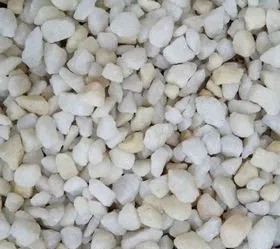
dolomite is both a mineral and a rock.The mineral is calcium magnesium carbonate, very similar to limestone but with added magnesium. The rock (also called dolostone) is primarily made of this mineral.It is mainly used in construction as an aggregate, in agriculture to improve soil, and as a source of magnesium.
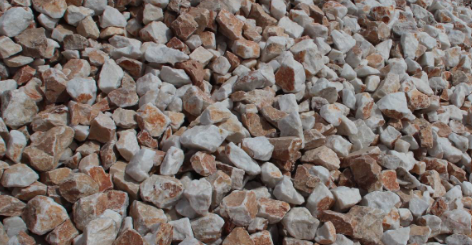
quartz is one of the most common and important minerals on Earth.It is a hard, crystalline mineral made of silicon and oxygen atoms (silicon dioxide, SiO2). Quartz is known for its durability and comes in many varieties, including well-known gemstones like amethyst (purple), citrine (yellow), and rose quartz (pink), as well as rock crystal (clear).Due to its hardness and stability, it is widely used in jewelry, glass making, and electronics (for its piezoelectric properties in watches and clocks). It is also a major component of many rocks, like granite, and is the primary mineral in sand.
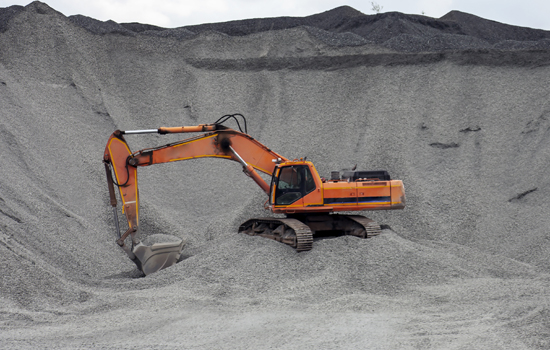
Aggregates are granular materials like sand, gravel, and crushed stone.They are the main ingredients used to make construction materials like concrete and asphalt, and to create base layers for roads and foundations.v
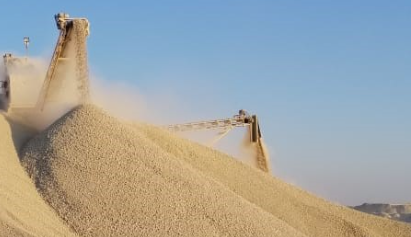
phosphate rock is a type of sedimentary rock that contains a high concentration of phosphate minerals. It is the primary raw material used to produce phosphate fertilizers and other phosphorus compounds. Phosphate rock is mined from deposits around the world.
The grade of phosphate
rock can be broadly categorized as follows:
High-grade ores: Containing more than 26% P2O5.
Medium-grade ores: With a P2O5 content ranging from 17% to 26%.
Low-grade ores: Containing less than 16% P2O5.
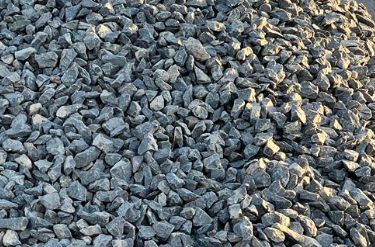
basalt is a dark-colored, fine-grained volcanic rock .It forms from the rapid cooling of lava on the Earth's surface. Basalt is the most common rock on the planet, making up most of the ocean floor and large shield volcanoes like those in Hawaii.Due to its hardness and durability, it is widely crushed and used as an aggregate in construction for roads, concrete, and asphalt.
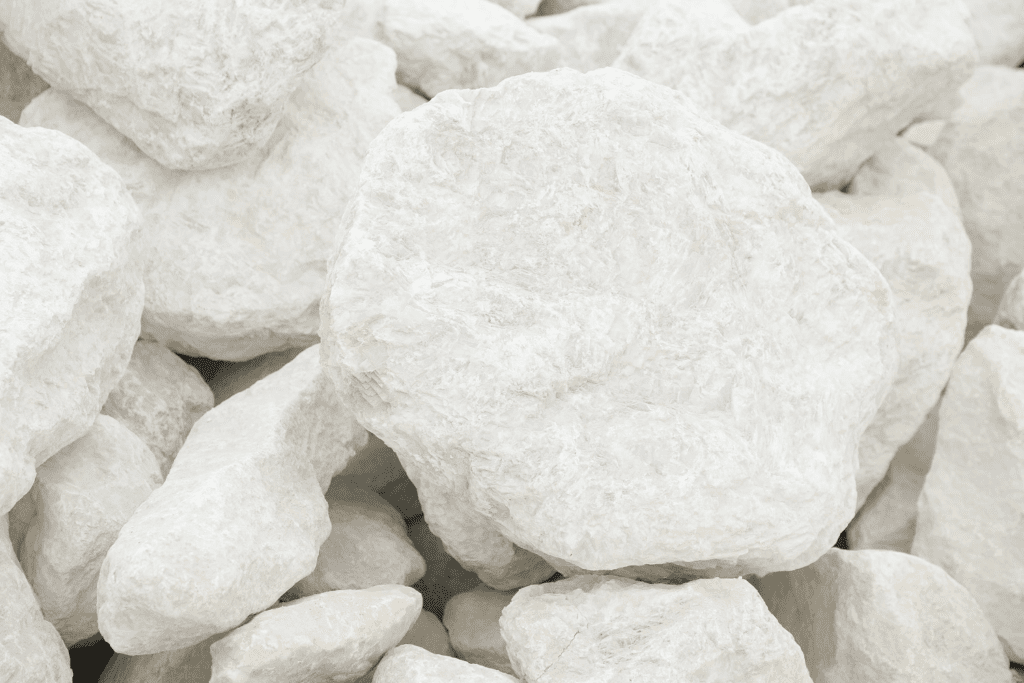
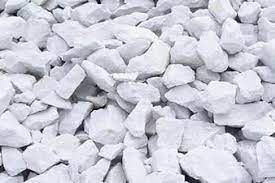
Limestone is a sedimentary rock composed primarily of calcium carbonate (CaCO3), most commonly in the form of the mineral calcite. It often contains fragments of marine organisms such as shells, coral, and fossils.
Limestone Lumps
Limestone Granules
Limestone Powder
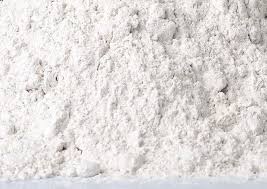
Hydrated lime is a dry, colorless crystalline powder that is created by treating quicklime (calcium oxide) with water in a process called "slaking."Ca(OH)2 . Essentially, it's what you get when you add a controlled amount of water to quicklime, causing a chemical reaction that generates heat and transforms the calcium oxide into calcium hydroxide.
Quicklime is a white or grayish-white, highly caustic, and alkaline solid material.CaO.
Key Characteristics
Appearance: A white or grayish-white powder or solid.
Properties: Its most notable property is its high reactivity with water.Ca(OH)2).
The reaction is: → CO2
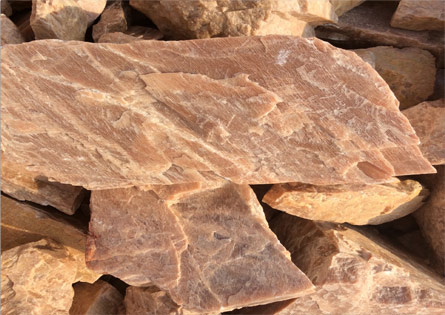
Feldspar is the name for a large group of rock-forming minerals that are abundant in the Earth's crust, making up about 60% of terrestrial rocks. These minerals are aluminosilicates, which means their chemical structure is based on silica and alumina, and they also contain varying amounts of potassium, sodium, and calcium.
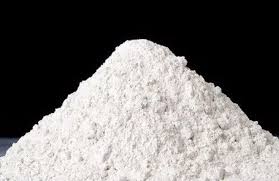
Talc's unique properties make it a valuable ingredient in a
wide range of products and industries:
Plastics and Rubber
Ceramics.
Paints and Coatings.
Cosmetics and Personal Care.
Pulp and Paper.
Agriculture.
Sample text. Click to select the text box. Click again or double click to start editing the text.
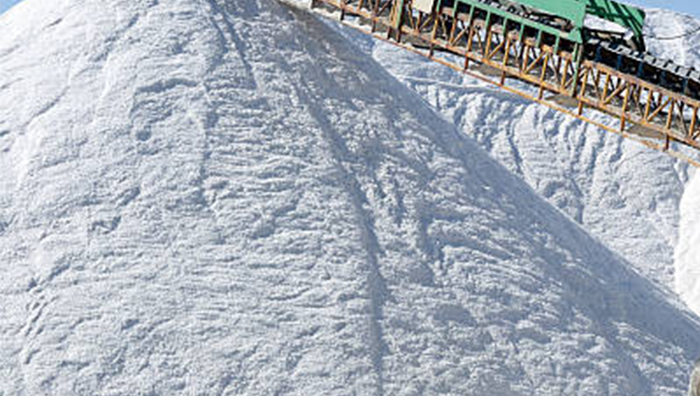
Edible Salt , Animal Salt, Raw Salt , One Washed Salt , Double Washed Salt Rock Salt , Industrial salt
Silica sand, also
known as (Quartz sand) or (industrial sand), is a granular material primarily
composed of silicon dioxide (SiO2). To be classified as silica sand, the
material must contain at least 95% (SiO2) and less than 0.6% iron oxide. This
high purity and the inherent properties of quartz make it a valuable resource
for a wide range of industrial applications.
The formation of
silica sand occurs over millions of years through the weathering of rocks, such
as granite, that contain quartz. The constant action of wind and water breaks
down the rock, leaving behind the more resistant quartz crystals. These crystals
are then further broken down and transported, eventually forming deposits of
silica sand.
Common Grades of
Silica Sand
Silica
sand is graded based on several factors, including its chemical purity
(specifically the percentage of SiO2), particle size distribution, and shape.
The grading determines its suitability for different industrial uses. While
there isn't a single universal grading system, silica sand is often categorized
by:
Application-Specific
Grades:
Silica sand is also graded based on the size of its individual grains, often expressed in mesh sizes (e.g., 16/30, 20/30). This number indicates the size of the screens the sand can pass through. A larger number corresponds to a finer particle size. The required particle size is highly dependent on the intended application.
Letter Grades:
In some instances, a simpler lettering system (e.g., A, B, C, D, F) may be used to denote the quality of the silica sand, with 'A' typically representing the highest grade. However, this is less common than application-specific or particle-size grading.

About catalogues and technical datasheets “TDS”. Pls. send an email to requit it